About Us

Our Business Model
(2024 - 2029)

Strategic Overview

The RFA’s business model is designed to ensure the safety, sustainability, and economic efficiency of Namibia’s road network, valued at more than N$151 billion. The model is anchored in the effective collection and management of national Road User Charges (RUCs), which are allocated to the Roads Authority (RA) and other Approved Authorities (AAs) for road development, rehabilitation, upgrading, and maintenance.

This value-driven framework ensures that infrastructure investments are transparent, performance-based, and aligned with national development priorities, while contributing to environmental stewardship, social inclusivity, and sound governance principles.

Both contributors to RUCs and beneficiaries of infrastructure investment are integral to sustaining a resilient, world-class road network that supports economic growth and regional competitiveness.
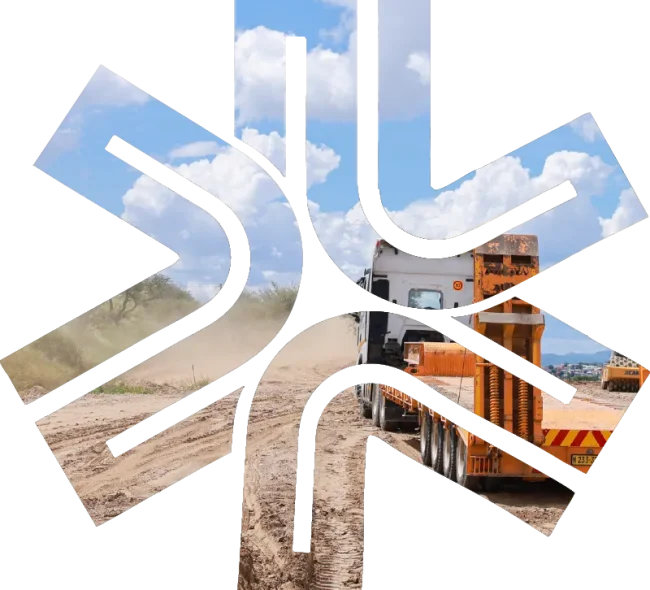

Truck driving on a gravel road.

How We Create Value

Key Partners

  • Government of Namibia.
  • Approved Authorities and
  • Local Authorities.
  • Regional logistics entities.
  • Road construction and maintenance contractors.

Key Activities

  • Road maintenance, rehabilitation and upgrading.
  • Strategic planning for logistics and transport infrastructure.
  • Innovation and research in transport funding and sustainability.

Key Resources

  • Road infrastructure.
  • Financial resources for maintenance and expansion.
  • Technological tools for infrastructure management and development.

Value Propositions

  • Funding for the construction and maintenance of Namibia’s road network.
  • High-quality, sustainable, and safe road network.
    Enhanced logistics and transport infrastructure contributing to regional development.
  • Key role player in Namibia’s transport sector.
  • Collaboration and support rendered to other stakeholders in the transport sector.
  • Environmental stewardship, fostering social inclusivity within the sector, and maximising economic impact.

Channels

  • Direct partnerships with Government and private sector.
  • Public announcements and reports for transparency and engagement.
  • Use of technology for efficient project management and communication.

Cost Structure

  • Maintenance and upgrading of road infrastructure.
  • Investments in technology and innovation.
  • Operational expenses for risk management and strategic planning.

Customer Relationships

  • Engagement with government bodies.
  • Funding and support provided to Approved Authorities and Local Authorities.
  • Collaboration with private sector partners and contractors.
  • Community involvement in road infrastructure projects.

Customer Segments

  • Government agencies.
    Logistics companies.
  • General public and road users.
  • Environmental organisations.

Revenue Streams

  • Road usage fees and charges.
  • Government funding.
  • Loans.
  • Possible future investments in logistics and transportation infrastructure as part of the strategic expansion.