The Road Fund Administration (RFA) hosted its 2025 Annual Business Plan Stakeholders’ Consultation under the theme “Sustaining Namibia’s Road Infrastructure for Economic Competitiveness and Climate Resilience.”
The engagement serves as a vital platform for accountability, transparency, and collaboration within Namibia’s road sector, enabling stakeholders to reflect on funding realities, align on strategic priorities, and jointly shape the RFA’s Business Plan for the period 2026–2031.
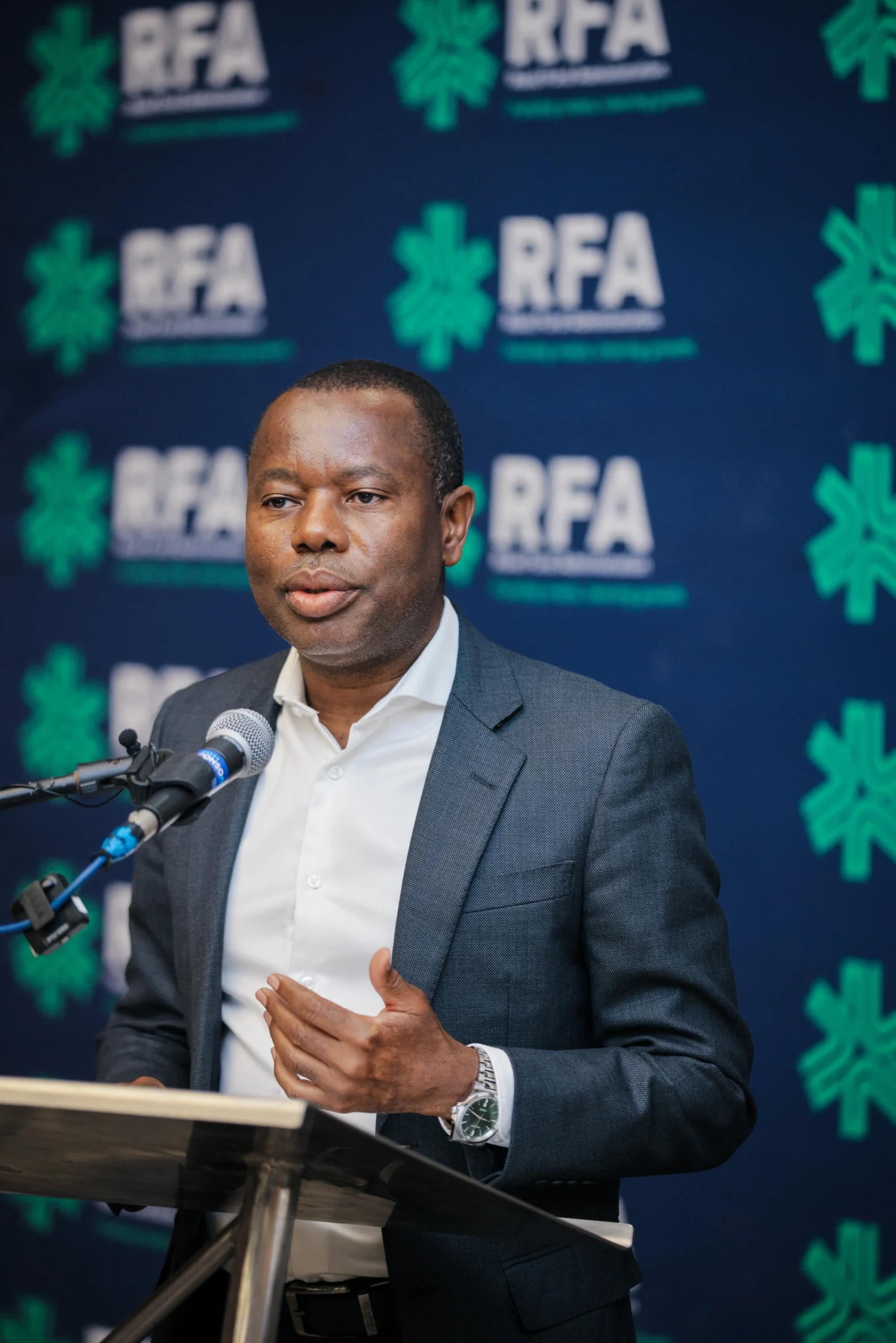
Speaking at the event, RFA Chief Executive Officer, Mr. Ali Ipinge, said the institution has realigned its strategic plan to support the implementation of the National Development Plan Six (NDP6) launched by President Netumbo Nandi-Ndaitwah earlier this year.
“As part of our alignment to NDP6, the RFA will support key road and logistics objectives including enhancing connectivity for rural communities through the development of feeder roads,” said Ipinge.
He added that while Namibia continues to maintain a world-class road network, declining government financial support and growing maintenance demands remain major challenges.
Despite these constraints, the RFA has demonstrated strong financial resilience, with revenue for FY2024/25 reaching N$3.74 billion, representing a 2% year-on-year increase, mainly from stable fuel levy collections and improved compliance on Mass Distance and Cross-Border Charges.
The RFA’s investments continue to prioritise national corridor rehabilitation, urban road upgrades, and environmental infrastructure such as the upgrading of roads in Etosha National Park to low-volume seal standards, enhancing both accessibility and environmental protection.
In line with its long-term sustainability strategy, the RFA is advocating for phased annual adjustments to Road User Charges and exploring tolling on strategic corridors to close the sector’s funding gap while ensuring fair contribution from all road users.
The RFA reaffirmed its commitment to innovation, collaboration, and shared responsibility in sustaining Namibia’s road infrastructure and strengthening the country’s position as a regional logistics hub.
“Namibia’s road sector stands at a crossroads between fiscal reality and infrastructure ambition. Bridging this gap demands collective effort from all our stakeholders,” Ipinge concluded.